
CBD Oil Philippines: Complete 2026 Guide (Legal, Medical & Safety)
CBD oil is widely discussed around the world for wellness and medical research, but in the Philippines it remains a tightly regulated substance.
This guide explains what CBD oil is, how Philippine law treats it, and what patients and researchers should understand before considering medical access.
This content is provided for educational purposes only and reflects the current regulatory landscape as of 2026.
What Is CBD Oil?
CBD (Cannabidiol) is a naturally occurring compound found in cannabis and hemp plants.
Unlike THC (tetrahydrocannabinol), CBD is non-intoxicating and does not produce a “high.”
Internationally, CBD is studied for its interaction with the body’s endocannabinoid system (ECS), which plays a role in maintaining balance across functions such as mood, sleep, and stress response.
Research is ongoing, and outcomes vary by individual.
CBD vs THC: Why the Difference Matters
The legal treatment of CBD in the Philippines is closely tied to its relationship with THC.
THC is the psychoactive compound in cannabis and is strictly controlled under Philippine law.
- THC: Psychoactive, tightly prohibited except under special authorization
- CBD: Non-intoxicating, but still regulated when derived from cannabis
Because CBD products may contain trace amounts of THC, Philippine regulators evaluate CBD primarily as a drug substance rather than a general wellness supplement.
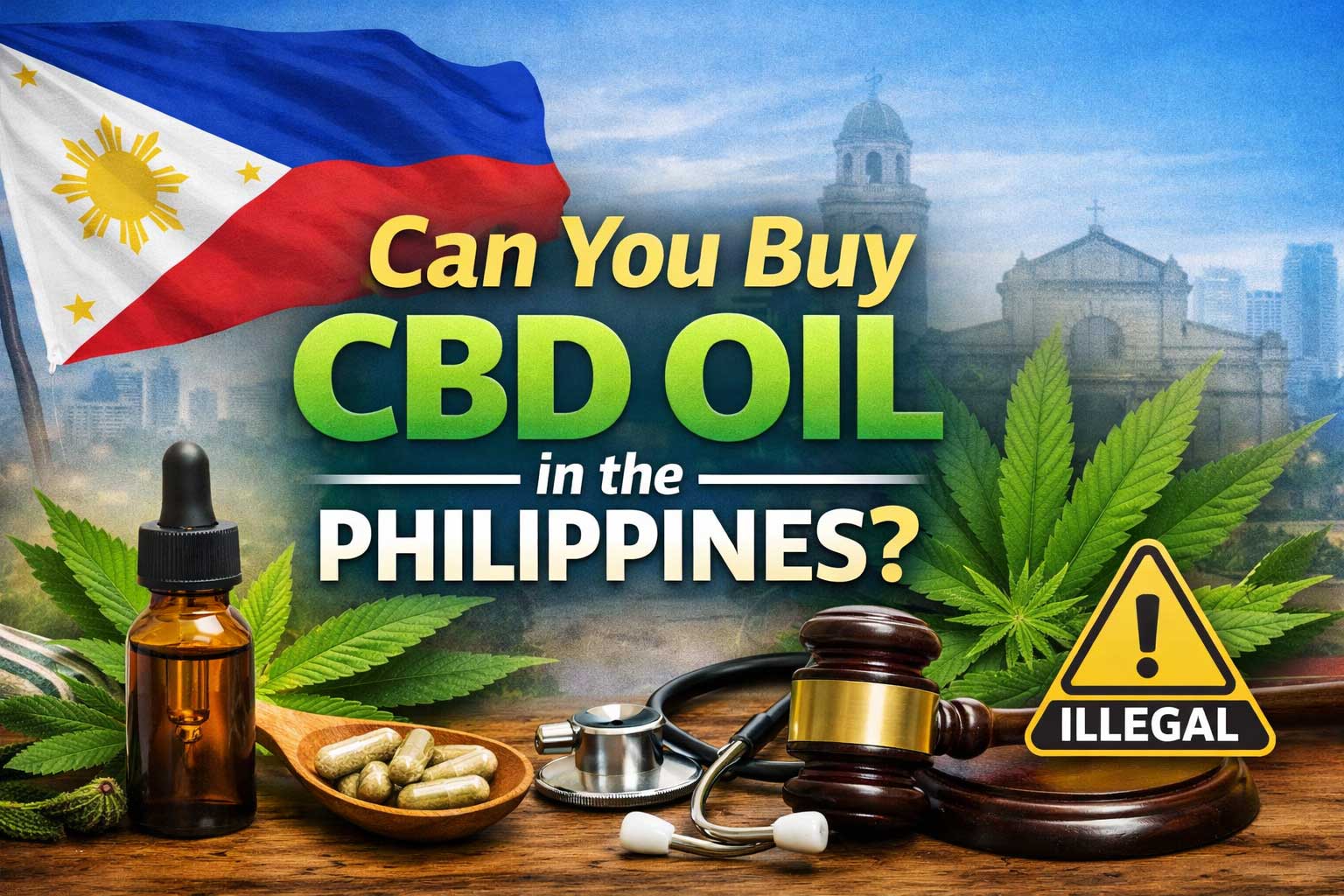
Is CBD Oil Legal in the Philippines?
Cannabis remains a controlled substance in the Philippines.
However, a restricted medical pathway exists for certain CBD-containing drug products under government regulation.
Under Dangerous Drugs Board (DDB) classification frameworks, medicines containing CBD with very low THC content may be treated as Schedule 4 substances, meaning restricted medical use only.
General over-the-counter retail sale of CBD oil as a wellness product is not recognized under Philippine drug control rules.
Medical CBD Access in the Philippines
Access to CBD for medical purposes is handled on a case-by-case basis.
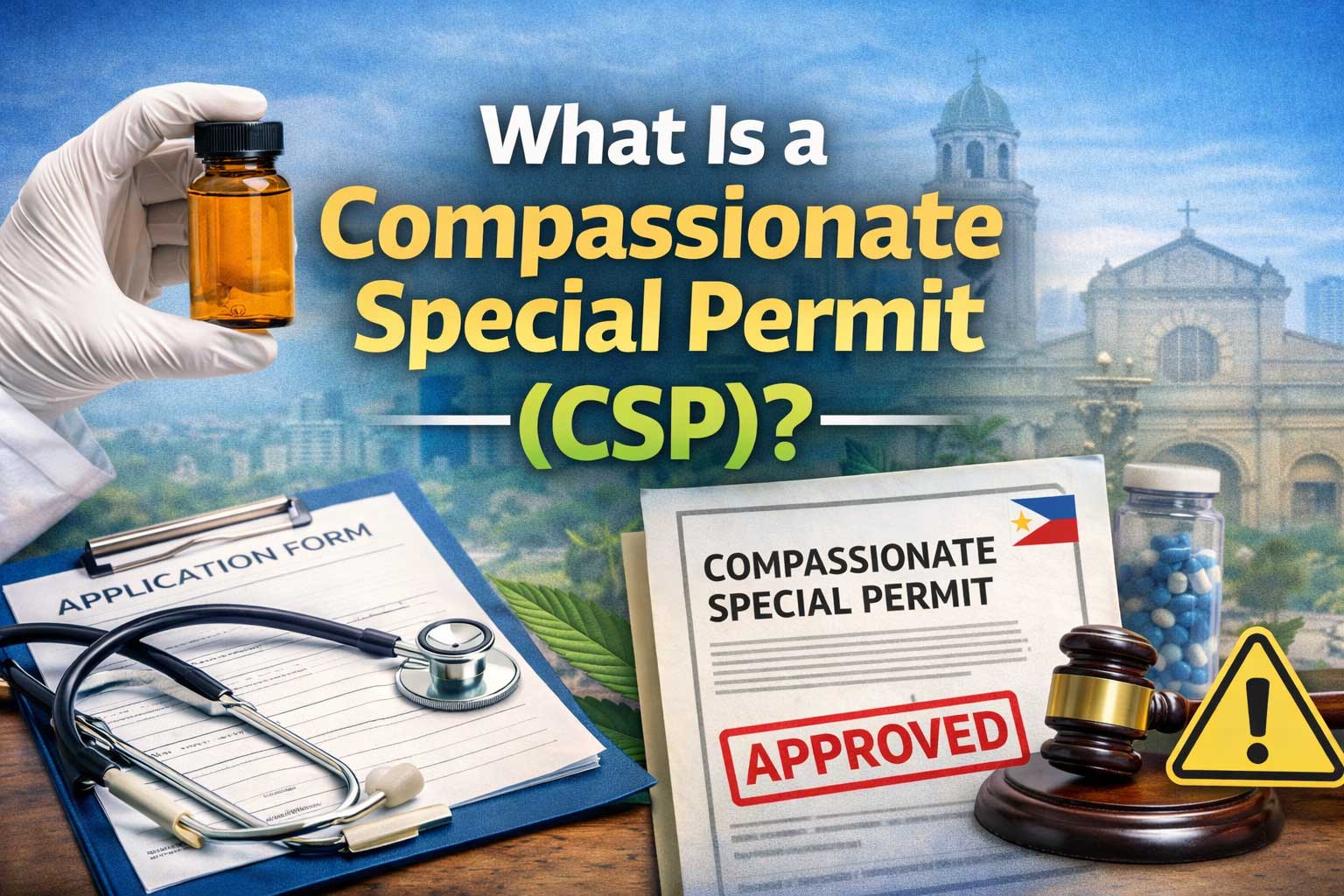
Patients may be allowed access through the Philippine FDA’s Compassionate Special Permit (CSP) process.
The CSP system is designed for patients who require unregistered or unauthorized drug products under controlled and monitored conditions.
Overview of the Compassionate Special Permit (CSP)
- Consultation with a licensed physician
- Medical documentation supporting the request
- Application submission to the Philippine FDA
- Review and approval (if granted)
Approval is not automatic and depends on medical justification and regulatory evaluation.
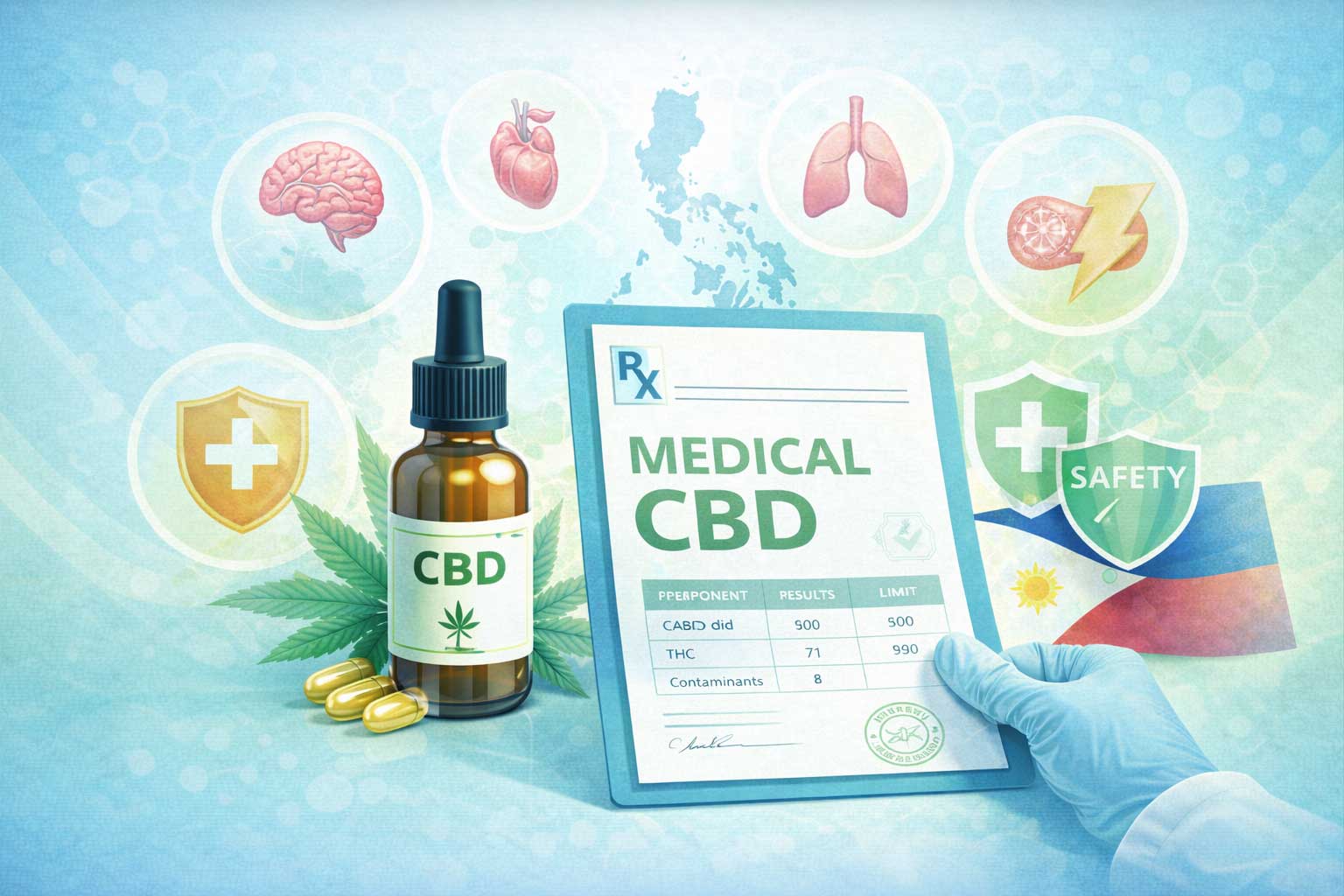
CBD Product Safety & Quality Standards
In countries where CBD products are regulated, safety is established through transparency and testing.
Patients and researchers should be familiar with the following quality indicators:
- Certificate of Analysis (COA): Third-party lab verification of cannabinoid content
- THC disclosure: Exact THC percentage listed
- Contaminant testing: Heavy metals, pesticides, solvents, microbes
- Batch traceability: Matching batch numbers between product and COA
CBD Oil vs Hemp Seed Oil
A common source of confusion in the Philippines is the term “hemp oil.”
- CBD oil: Extracted from cannabinoid-rich parts of the plant
- Hemp seed oil: Pressed from seeds and typically contains no CBD
Hemp seed oil may be used as a food or cosmetic ingredient, but it does not provide the cannabinoid profile associated with CBD research.
Travel & Customs Considerations
Carrying CBD products across borders without proper authorization may expose travelers to legal risk.
Without approved documentation, CBD may be treated as a controlled substance by customs authorities.
Anyone considering medical CBD access should follow official regulatory pathways and avoid informal importation.
Frequently Asked Questions
Is CBD oil legal for personal use in the Philippines?
CBD is not recognized as a general consumer product.
Medical access may be possible only through regulatory approval and documentation.
Is CBD the same as marijuana?
No. CBD is a compound found in cannabis plants, but it does not produce intoxicating effects.
Legal treatment depends on regulation, not intoxication alone.
What is the most important safety document for CBD products?
A current third-party Certificate of Analysis (COA) matching the product batch.
Disclaimer: This article is for informational purposes only and does not constitute medical or legal advice.
Always consult licensed professionals and follow Philippine laws and FDA/DDB regulations.
Last updated: January 2026


Leave A Comment