
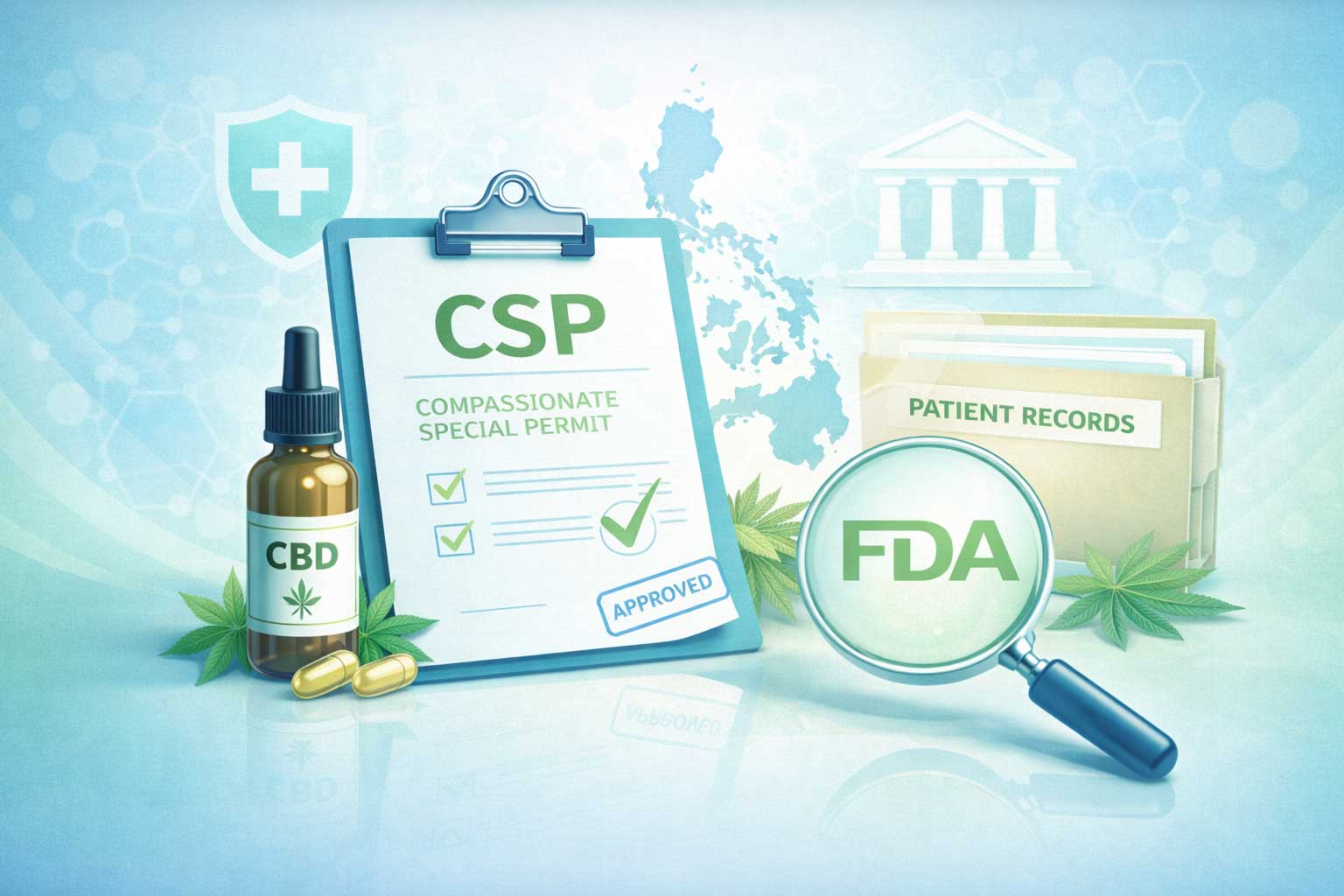
Compassionate Special Permit (CSP) for CBD in the Philippines
In the Philippines, access to CBD for medical purposes is not handled through retail sales.
Instead, it may be considered only through a regulated process known as the
Compassionate Special Permit (CSP), administered by the Philippine Food and Drug Administration (FDA).
This guide explains what a CSP is, who it is for, and how the process generally works — based on publicly available regulatory information.
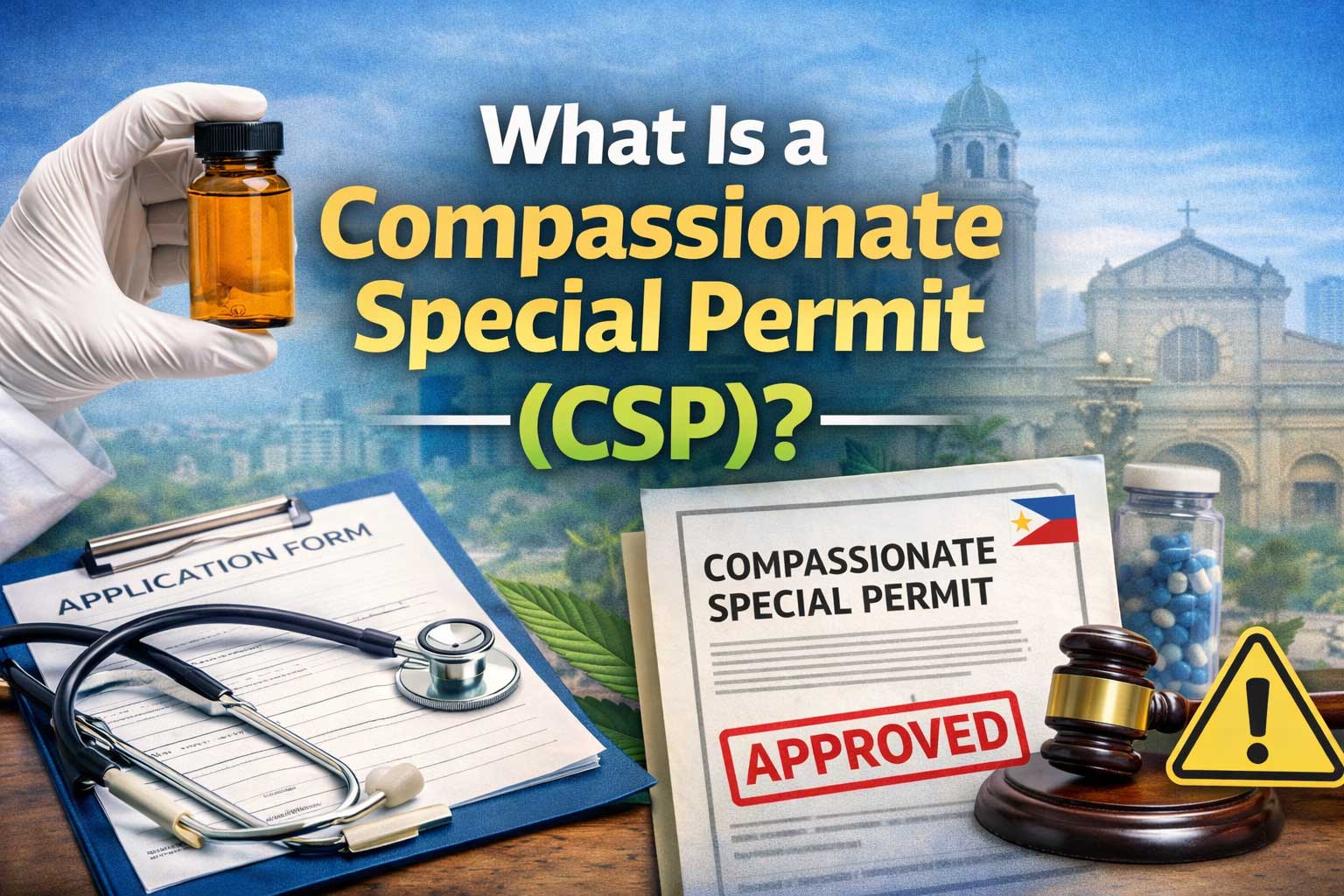
What Is a Compassionate Special Permit (CSP)?
A Compassionate Special Permit (CSP) is a regulatory mechanism that allows
patient-specific access to unregistered or unauthorized drug products
under controlled and monitored conditions.
In the context of CBD, a CSP may be used to allow access to certain CBD-containing medicines
when no locally registered alternative is available and when supported by medical justification.
Who Is the CSP Process Intended For?
The CSP process is not designed for general consumer use.
It is typically considered only in exceptional medical circumstances.
- Patients with serious or treatment-resistant conditions
- Cases where standard therapies have been ineffective or unsuitable
- Situations requiring physician oversight and monitoring
Approval is determined by regulatory review and is not guaranteed.
High-Level Overview of the CSP Process
While requirements may vary depending on the case, the CSP process generally follows these stages:
- Physician consultation: A licensed doctor evaluates the patient’s condition and treatment history.
- Medical justification: Supporting documentation is prepared to explain why the unregistered product is being requested.
- Application submission: Required forms and documents are submitted to the Philippine FDA.
- Regulatory review: The FDA evaluates the request based on safety, necessity, and compliance.
- Decision: If approved, the permit is issued for a defined scope and duration.
The CSP is typically limited to a specific patient, product, quantity, and time period.
Important Limitations of a CSP
- A CSP does not legalize CBD for general sale or use
- It does not apply to other individuals
- It does not remove all regulatory obligations
- It may require renewal or re-evaluation
The permit exists solely to address exceptional medical needs under supervision.
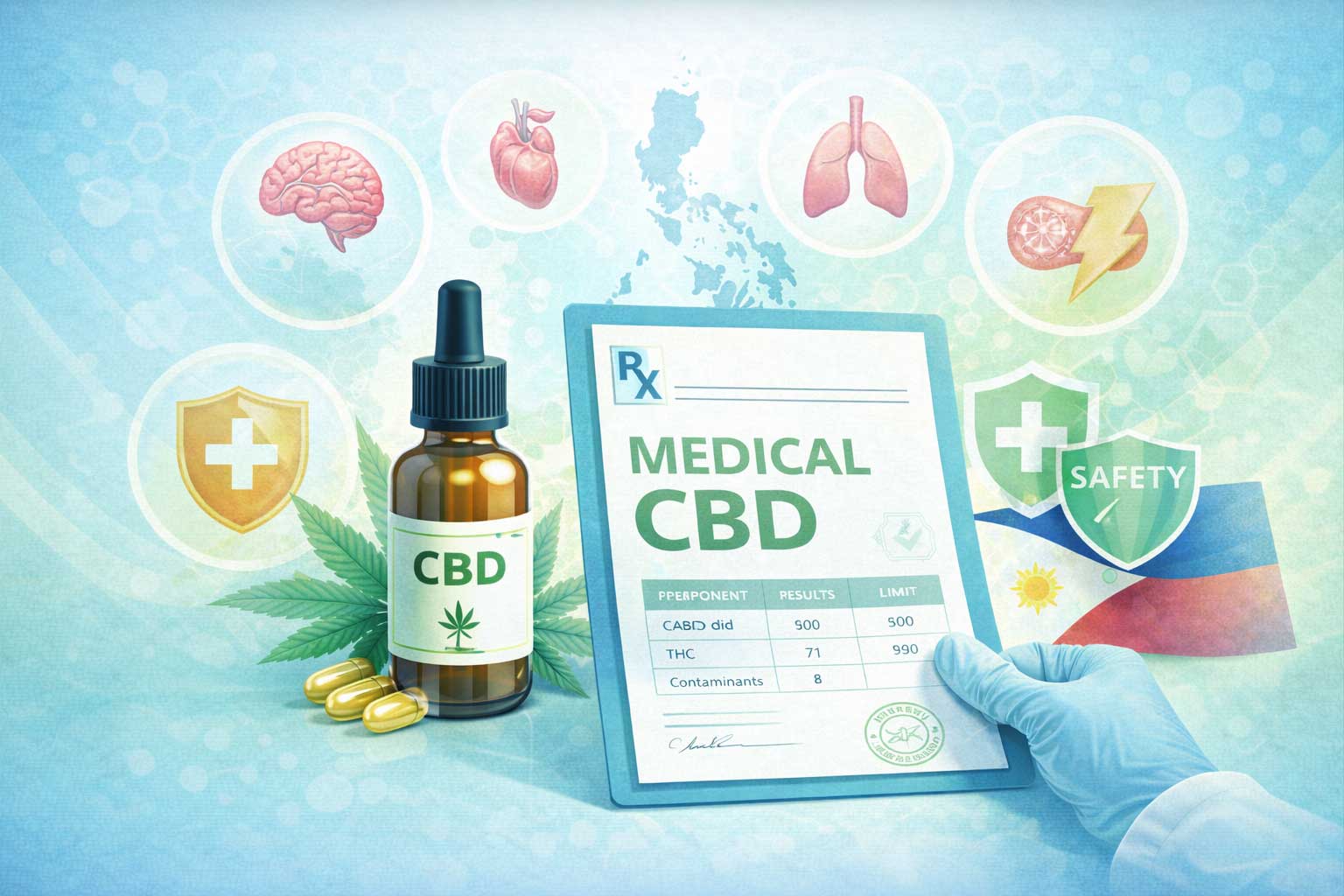
Product Safety & Documentation
When a CSP is granted, product safety and traceability remain critical.
Regulators typically expect:
- Clear product identification and labeling
- A valid Certificate of Analysis (COA) from a recognized laboratory
- Disclosure of cannabinoid content, including THC levels
- Proper handling and storage conditions
CSP vs Over-the-Counter CBD
It is important to distinguish CSP-based access from over-the-counter products.
- CSP access: Patient-specific, regulated, medically supervised
- OTC CBD: Not recognized as a lawful consumer product in the Philippines
Common Questions About CSP
Does a CSP mean CBD is legal in the Philippines?
No. A CSP does not legalize CBD broadly.
It provides limited authorization for specific medical cases only.
Can anyone apply for a CSP?
CSP applications are case-specific and generally initiated with physician involvement.
Approval depends on regulatory evaluation.
Is the CSP permanent?
No. CSPs are time-limited and may require renewal or re-application depending on circumstances.
Disclaimer: This article is for informational purposes only and does not constitute medical or legal advice.
Always consult licensed professionals and official Philippine FDA guidance.
Last updated: January 2026


Leave A Comment