
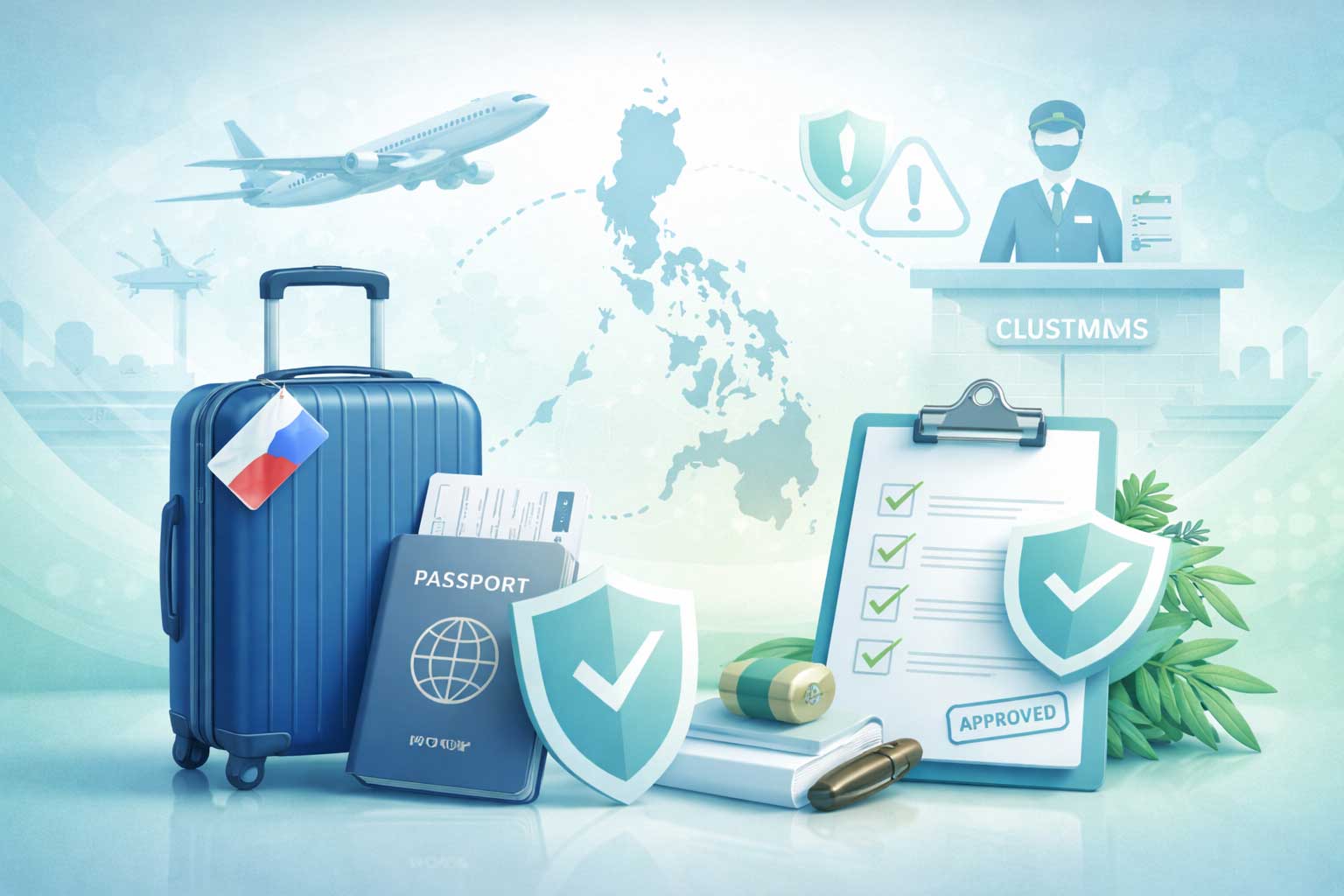
Traveling With CBD Oil to the Philippines: What You Should Know
Travelers often ask whether they can bring CBD oil into the Philippines.
Because CBD is derived from cannabis and may contain trace amounts of THC,
it is treated cautiously under Philippine law.
This guide explains the risks, rules, and important considerations travelers should understand
before carrying CBD products into the country.
Short Answer: Can You Bring CBD Oil to the Philippines?
In most cases, bringing CBD oil into the Philippines without prior authorization is not recommended.
CBD products may be treated as controlled substances by customs and enforcement agencies.
Without proper documentation or regulatory approval, travelers may face questioning, confiscation,
or legal consequences.
Why CBD Is a Travel Risk in the Philippines
Philippine drug laws focus on the source of the substance rather than whether it causes intoxication.
Even non-psychoactive cannabinoids may fall under controlled classifications.
Because CBD products can contain THC — even in trace amounts — they may be subject to seizure
if carried without authorization.
Customs and Enforcement Considerations
Philippine Customs, airport authorities, and law enforcement agencies such as the PDEA
have the authority to inspect personal belongings.
If a CBD product is discovered, officers may consider:
- The product’s ingredient list and labeling
- Presence or absence of THC
- Supporting documents or permits
- Declared purpose of use
In the absence of official authorization, products may be confiscated regardless of intent.
What Documentation Would Be Required?
For medical CBD access, authorization is typically handled through the
Compassionate Special Permit (CSP) process administered by the Philippine FDA.
A CSP is patient-specific and issued before any regulated product movement.
Carrying CBD without such approval may expose travelers to unnecessary risk.
Common Travel Scenarios
Tourists
Tourists should avoid bringing CBD products into the Philippines.
Availability in other countries does not override Philippine drug laws.
Returning Residents or OFWs
Returning residents should follow the same precautions.
Personal possession does not exempt a product from regulation.
Transit or Connecting Flights
Even if the Philippines is not the final destination,
transiting through Philippine airports with CBD products may still pose risks.
Safer Alternatives
- Do not travel with CBD products unless officially authorized
- Consult licensed medical professionals regarding legal options
- Rely on official regulatory pathways rather than informal advice
Frequently Asked Questions
Is CBD allowed in checked luggage?
Luggage placement does not change the legal status of a substance.
CBD products may still be inspected and confiscated.
What if my CBD product is labeled “THC-free”?
Labels alone are not sufficient.
Without official approval and documentation, the product may still be treated as regulated.
Can hemp seed oil be carried instead?
Hemp seed oil that contains no cannabinoids is treated differently,
but travelers should ensure products truly contain no CBD or THC.
Disclaimer: This article is for informational purposes only and does not constitute legal advice.
Laws and enforcement practices may change. Always consult official Philippine authorities or licensed professionals.
Last updated: January 2026


Leave A Comment