Philippines Inches Closer to Legal Medical Cannabis: What You Need to Know Now
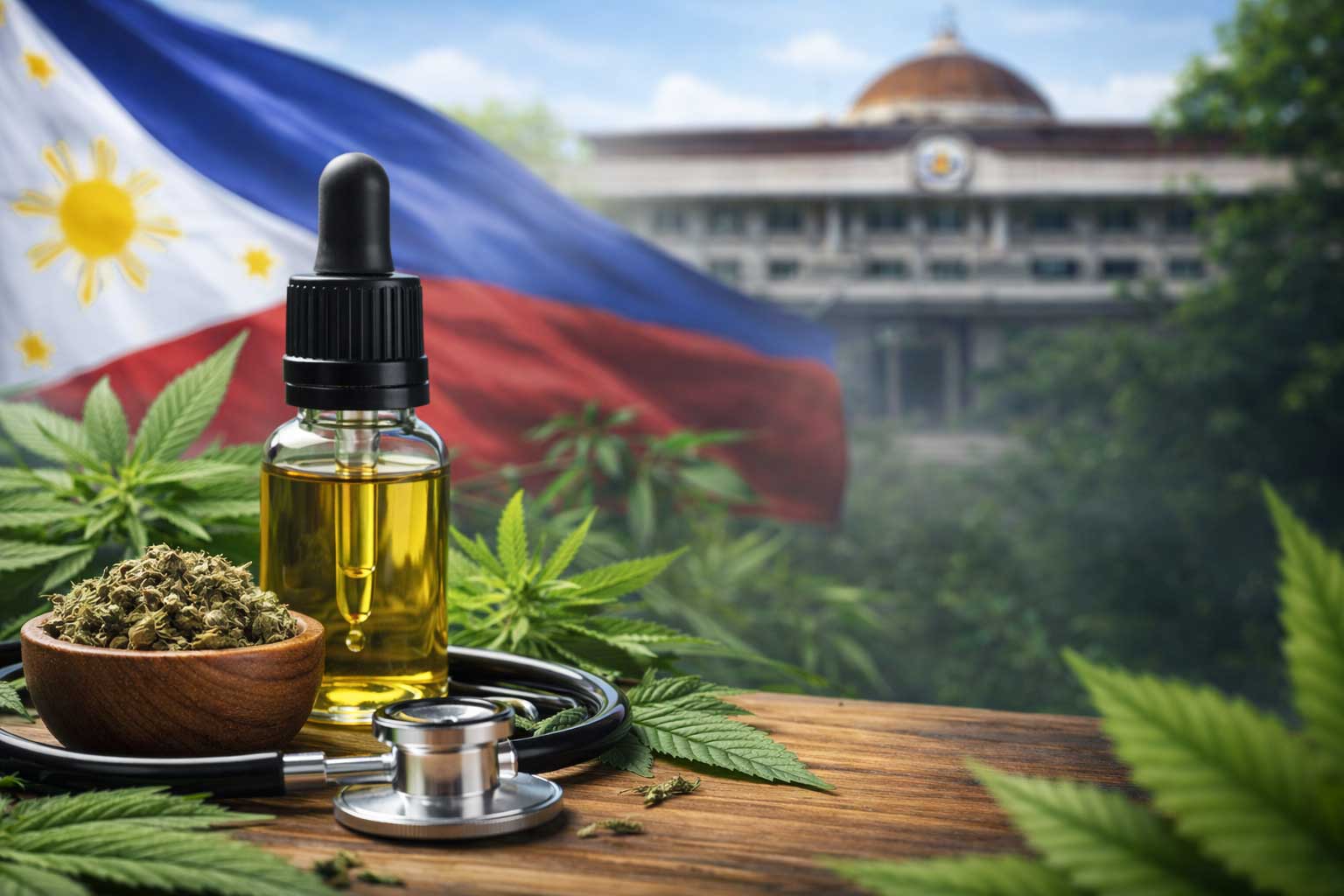
The landscape of Philippine healthcare reached a pivotal turning point last week as the House of Representatives revived momentum for the legalization of medical cannabis. On February 24, 2026, the House Committee on Dangerous Drugs and the Committee on Health approved a consolidated bill seeking to provide compassionate access to cannabis for patients with debilitating medical conditions.
A Unified Legislative Push
The move, co-chaired by Representatives Jonathan Keith Flores and Ciriaco Gato Jr., marks a significant step toward institutionalizing a regulated framework for medical marijuana. Unlike previous individual filings, the consolidated measure revives House Bill No. 317 and related proposals, combining several legislative efforts into one policy focused on scientific research and patient relief.
During the committee deliberations, Chairperson Flores emphasized that the proposal is limited strictly to medical cannabis and is designed to move forward with strong safeguards in place.
What the Bill Proposes: 5 Key Takeaways
If the bill passes the plenary and is signed into law, the following changes would take effect:
-
Creation of a Medical Cannabis Office (MCO):
A dedicated regulatory body would be established under the Department of Health (DOH) to oversee the licensing, cultivation, and distribution of medical cannabis. -
Pharmaceutical Grade Only:
The bill would prohibit the use of raw or smoked cannabis. Access would be limited to pharmaceutical forms such as CBD oils, capsules, and tinctures. -
Strict Doctor-Patient Link:
Only DOH-accredited physicians would be authorized to prescribe treatment. Patients would need to be registered and could only fill prescriptions through licensed Medical Cannabis Compassionate Centers. -
No Recreational Legalization:
Marijuana would remain a Schedule I dangerous drug under Republic Act No. 9165. The bill does not decriminalize recreational use or allow backyard cultivation. -
Prescription Monitoring System:
The Philippine National Police (PNP) and the Philippine Drug Enforcement Agency (PDEA) have expressed support for the bill, provided that a digital tracking system is implemented to prevent diversion to the illegal market.
The DOH Conditions and Medical Skepticism
While the DOH recognizes the therapeutic potential of cannabis for conditions such as pediatric epilepsy and cancer-related pain, it remains firm in its position against local manufacturing at this stage.
Following the committee approval, the agency said that any initiative must be anchored on sound scientific evidence. For now, the DOH continues to favor the importation of finished pharmaceutical products rather than domestic cultivation.
Some health advocates, including Dr. Tony Leachon, have also raised concerns about the regulatory capacity of the Food and Drug Administration (FDA). Critics argue that until the FDA’s oversight capabilities are further strengthened, full-scale legalization may be premature.
Current Legal Status: A Warning to the Public
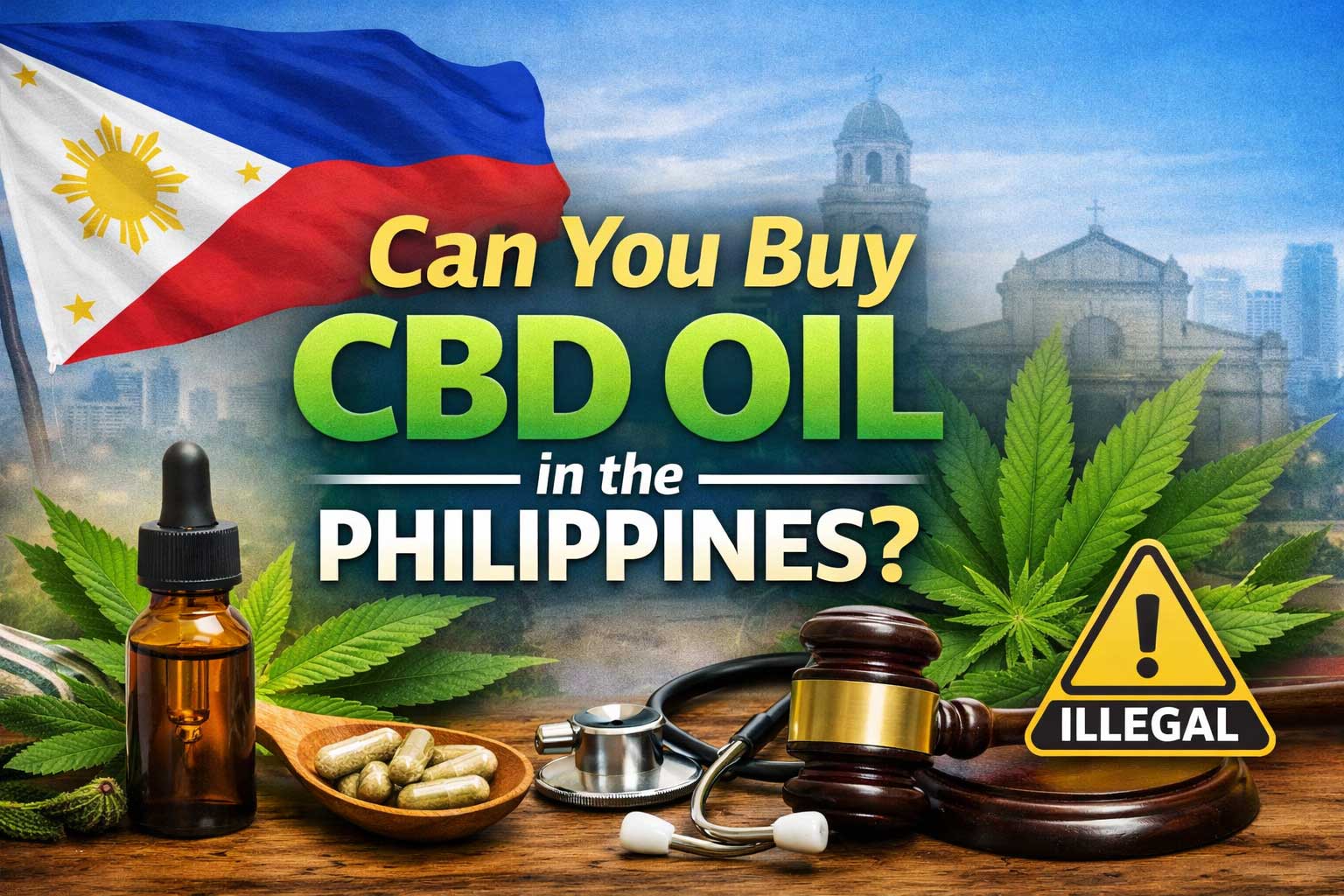
Despite the legislative progress, the public is reminded that possessing or using cannabis remains illegal under the Comprehensive Dangerous Drugs Act of 2002.
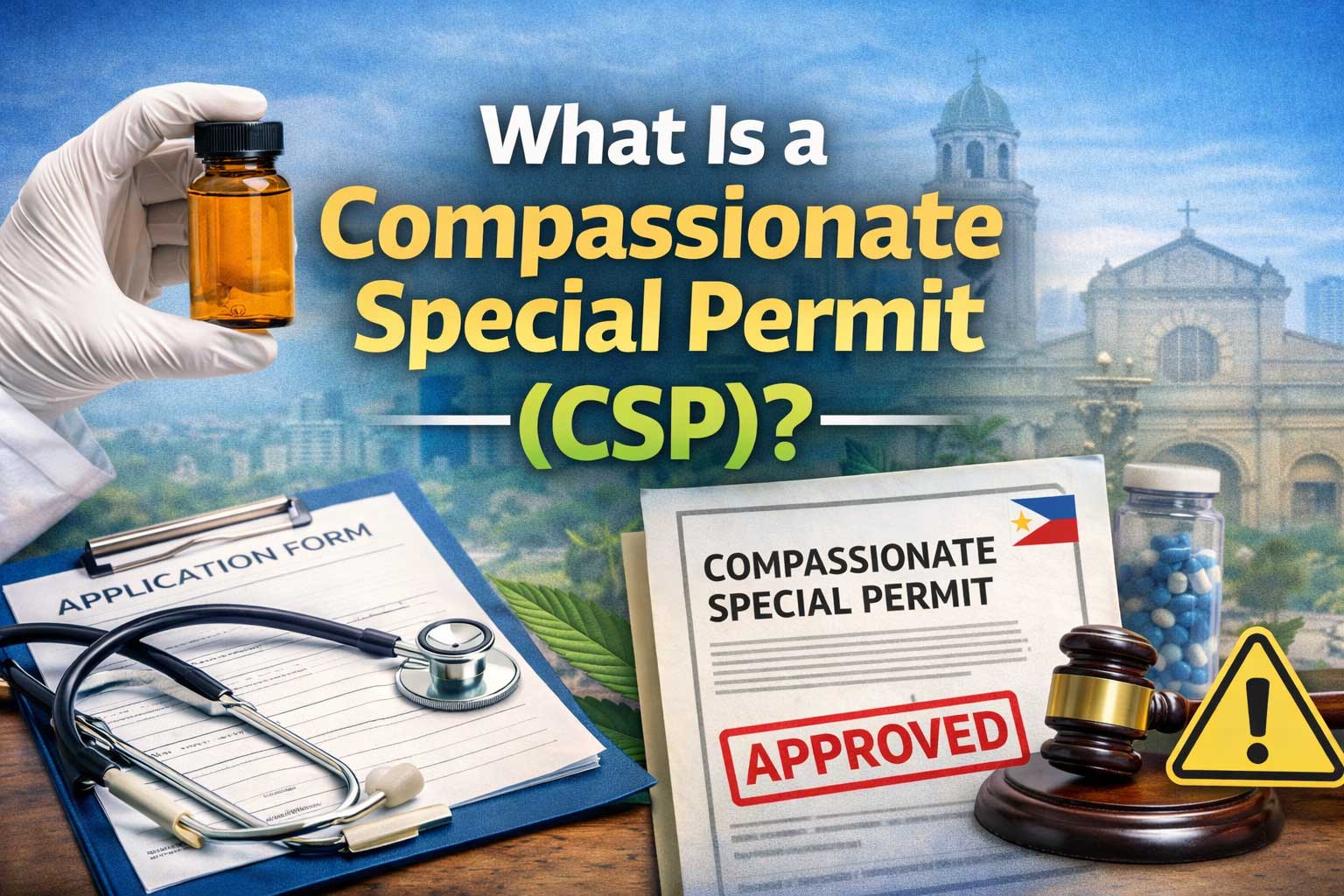
At present, the only legal way to access CBD oil in the Philippines is through a Compassionate Special Permit (CSP) issued by the FDA for specific imported medications on a case-by-case basis.
What’s Next?
The consolidated bill now heads to the House Plenary for second and third readings. If approved, it will then move to the Senate, where lawmakers including Senator Robin Padilla have long advocated for similar medical reforms.